

Awe

“Listen to your heart. Follow your path. May it be clear, and for the good of all.”
— Kumu Sabra Kauka
Awe : a feeling of reverential respect mixed with wonder.
This week I have been thinking a lot about that word and how to use it to move better through my days. And to try to reset and refocus my brain.
How quickly our brains fixate on the bad over the good. The flaws over the beauty. The anger over the compassion. Flooding our senses with awe is necessary to not feel completely overwhelmed and hopeless. Especially now, when the human world we have created for ourselves threatens to engulf us with danger and brokenness. The ability to still feel the awe of nature is a way to go forward and have the capacity to deal with and stem the ever rising tide of ugliness.
At least for me.
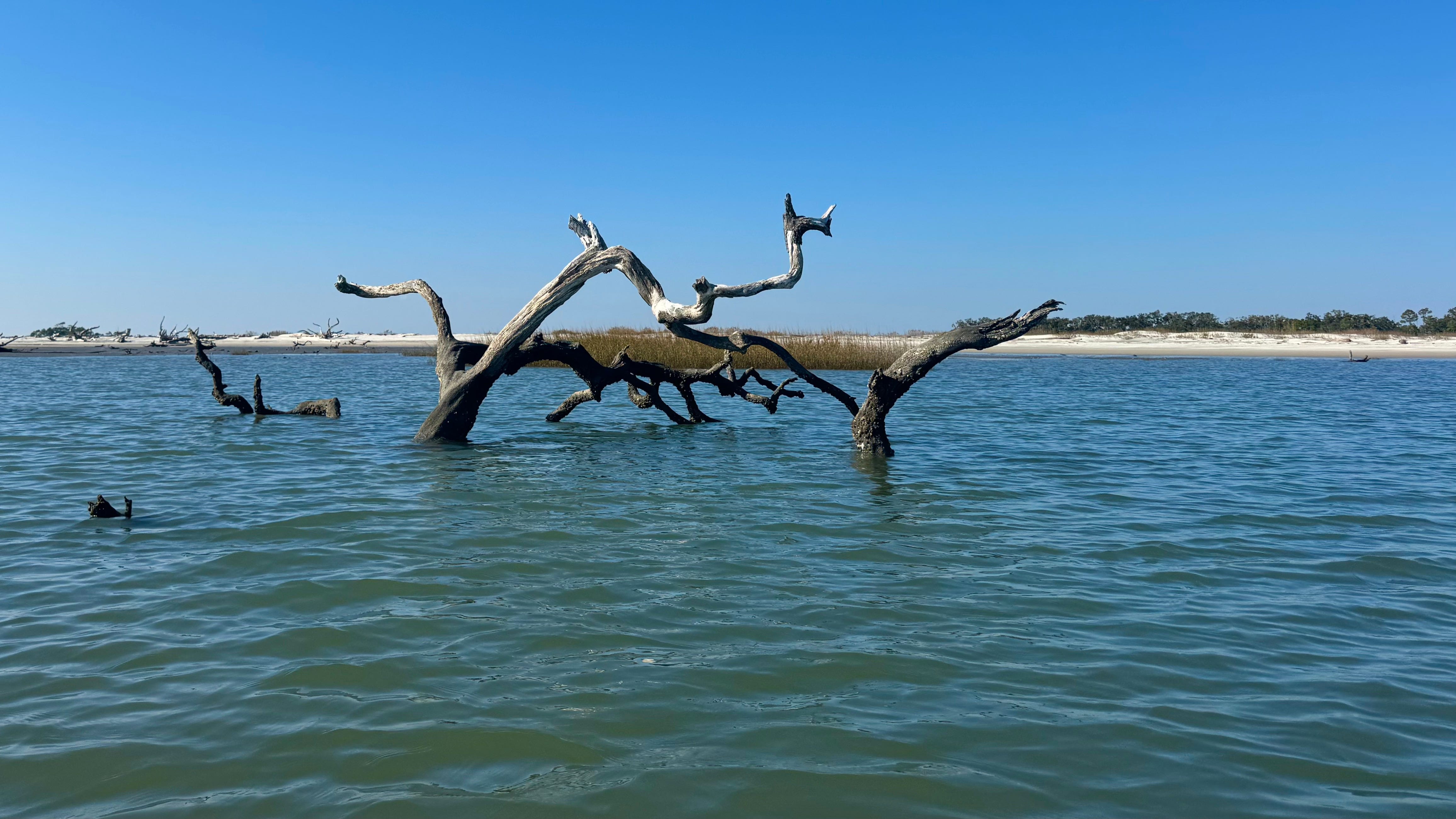
Big sweeping expanses of empty beach or moss draped maritime forests are easy to be awed by. But how about a public park? Or an island that at first glance seems overrun with all the stuff of human consumption …homes and condos, golf carts and golf courses, neon signs and plastic debris. Is it possible to feel like you are in a wild place in a resort town? Is it possible to still feel the wonder of nature while surrounded by people? Finding that everyday awe is often the hard part. It takes effort and the ability to open ourselves up to still being charmed by what we have become accustomed to.
How quickly we as humans get jaded. See things as commonplace. Overlook the small breathtaking beauty in front of us.
Right now I am awed by the view from my window, layers of clouds strung like peach yarn across a pale blue morning sky. The glistening silver winter light across the marsh. And the three dogs sleeping around me as I write to you. These are just the things that fill me with awe as I look up from my computer at 8:47 am.
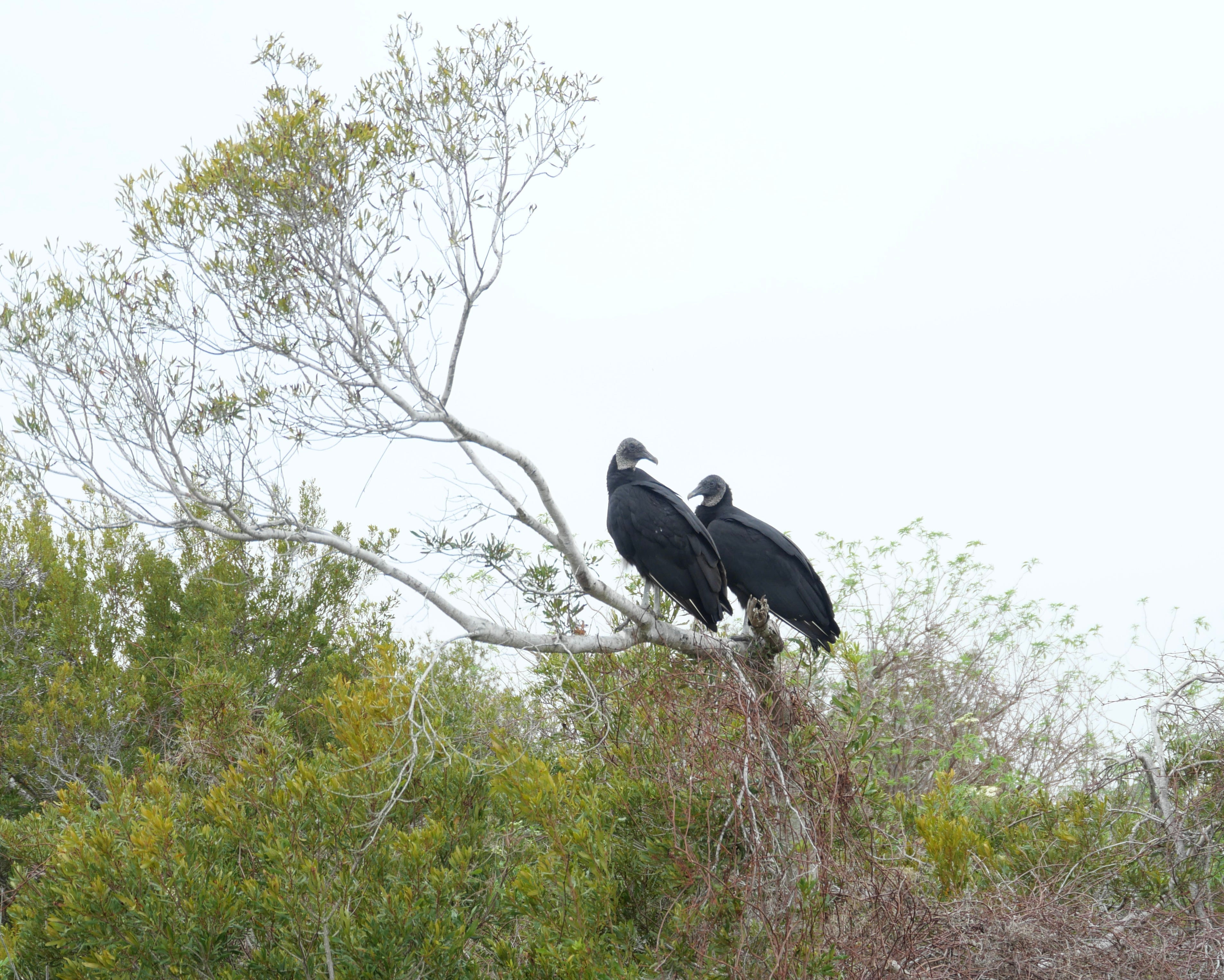
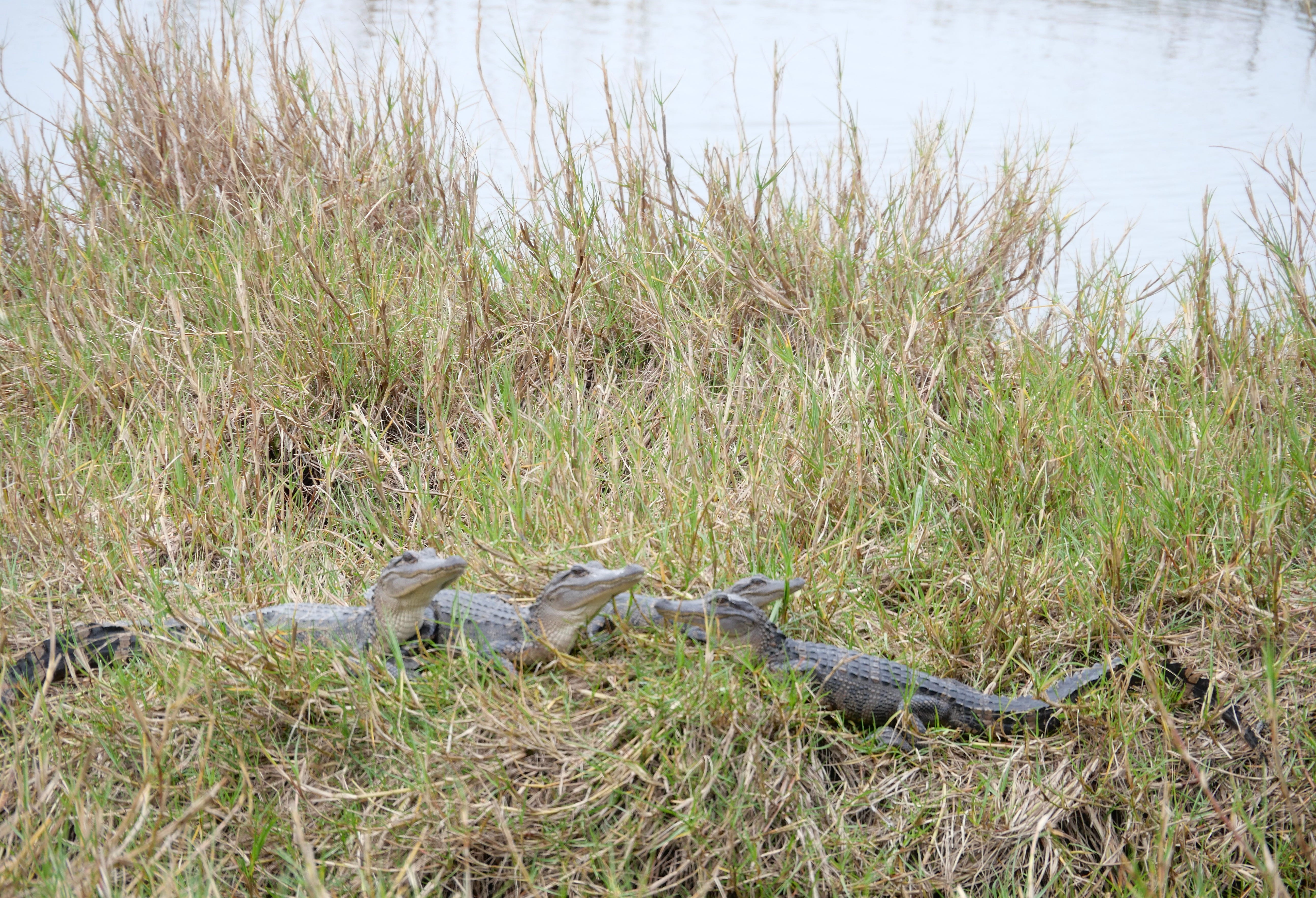
I find it in the sand patterns under my feet as I walk along the beach. I see it in a pair of vultures resting on a limb. It is in the four alligators enjoying morning sun on marsh grass. Awe is found on a foggy morning, the world around me singing in a symphony of white. And on a January evening, the last golden light of the sun warming an icy cold sky.
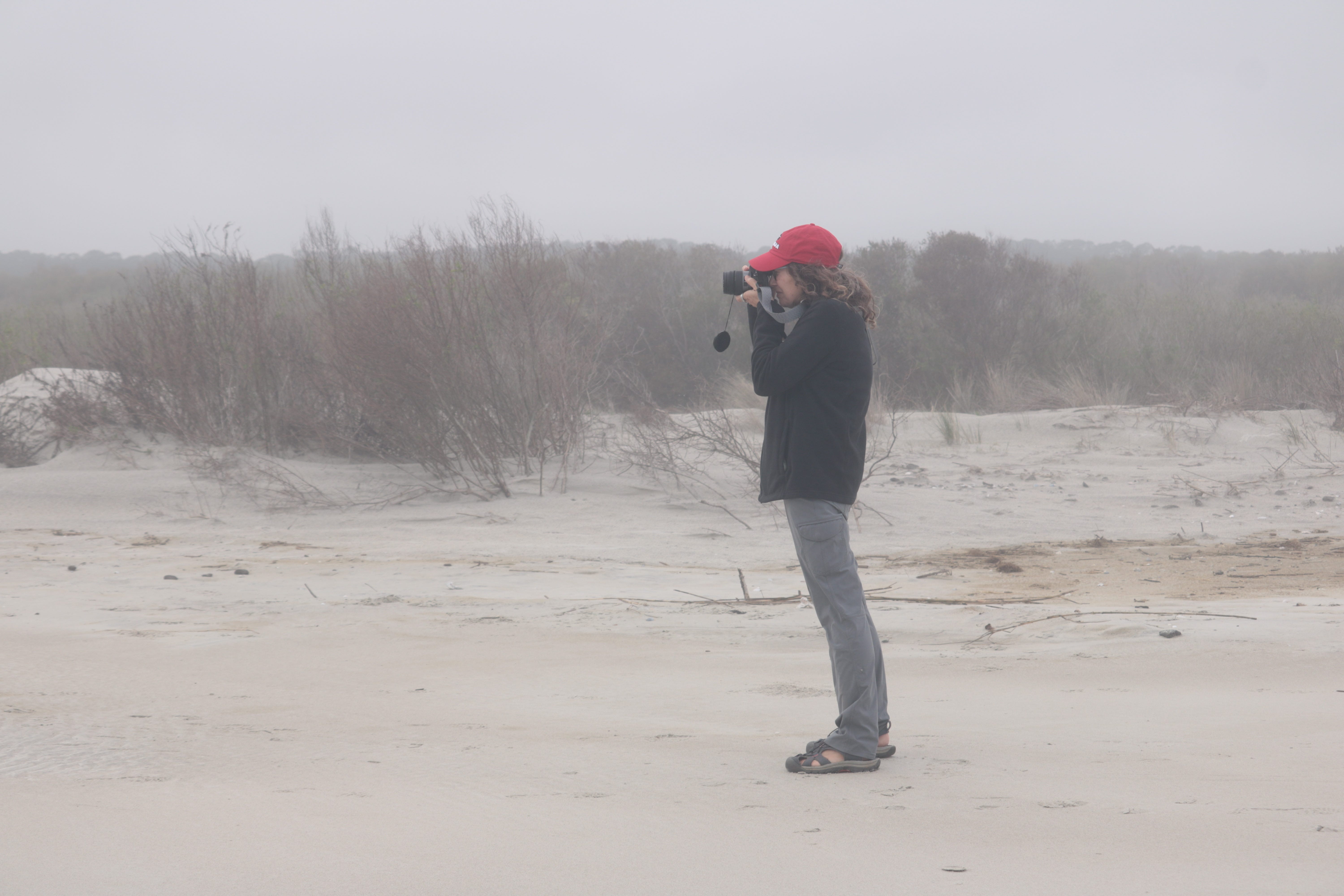
I’ve thought long and hard about how to write about this journey I am on. In a perfect world it would be lovely to write about each island in order from north to south as I work my way down the Georgia Coast. Unfortunately, as in most things in life… discoveries don’t come with a plan. There is no real order to my wanderings. I have embarked on a complex system of island hopping dependent on weather, boat access, work schedules, invitations and dog boarding arrangements.
My writing about these places will mimic the way my life has unfolded over the last three months and will continue to unfold in the next six months, randomly organized and reorganized. Hopefully, you can keep up. Hopefully I can keep up! But throughout it all, I hope you will feel the undercurrent of awe. That is my word for this journey I am on.
There have been moments over the last few months wandering these islands, that have disappointed me and filled me with sadness at the loss of habitat or the carelessness of humans. But there have been many more moments that have filled my eyes with tears at the resilience of nature and the struggle to persevere under challenging circumstances. To tell a story of conservation and protection means to also tell a story of heartbreak and loss. But also of hope.
“We must accept finite disappointment, but never lose infinite hope.”
- Dr. Martin Luther King Jr
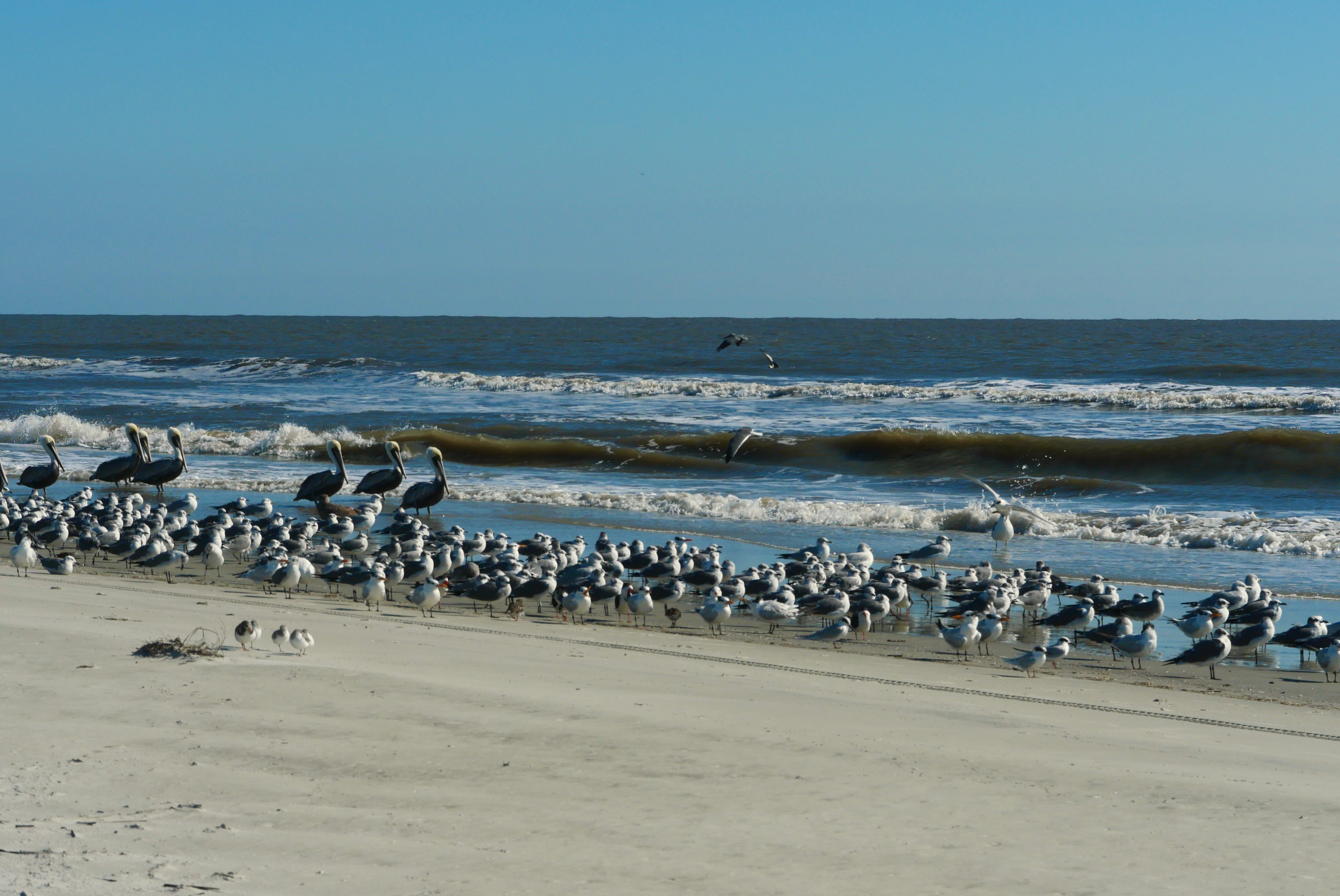
The fourteen barrier islands that make up Georgia’s outermost coastline have only existed around 5,000 years. They are relatively young compared to the islands behind them which claim over 30,000 years of seniority. These barrier islands are young and vulnerable. Wind, waves, erosion and sediment deposits continue to shape them and the rising sea level threatens their very survival. They are places of breathtaking beauty maybe made even more so by their precarious existence. As I walk along their beaches, I can feel the shifting in real time. I know just as my footsteps will be erased by the wind and the tide, the landscape I am painting and photographing will not look the same next year, maybe even next month. These are ever evolving places, dynamic is the official word for them, and the expanding life lessons of change, loss and metamorphosis are not lost on me.
And it’s not all about the beach. Georgia’s one hundred miles of coastline may not seem extravagant but this scant distance contains over 375,000 acres of salt marsh…. over thirty percent of the remaining salt marshes on the east coast. These marshes lie on the western edges of the barrier islands and in and among the other islands behind them. They are part of one of the most biologically productive and irreplaceable ecosystems on earth. Since 1970, they have been protected by the state of Georgia from development but unfortunately are still susceptible to environmental pollution and sea level rise.
As I straddle the line of art and science, I hope I give you enough information to understand these places but not so much that you feel like you are in school. And I want to share stories of the people who work to save and protect this coastline. Through education, science and innovation they provide hope. I want to paint a clear picture of where each island stands at the time I visit but I don’t want to mislead you… I can’t paint a comprehensive picture. It would take fourteen lifetimes. I will share my observations and excursions and thoughts and I hope in doing so each island will appear as magical and unique as it felt when I visited. I hope you can feel the awe.
Next week: Come with me to Jekyll Island.
“It’s simple... just look around and see the beauty of it all.”
- Bert McCoy
Take care and hold very tight to good thoughts.
Such a positive approach to a much changing world Dottie!"Thank you
You seem to be the perfect person for this adventure. I enjoy every post.